
- 19
- 14
- 14
- 19
- 3
- 1
- 1
- 2
- 2
- 2
- 10
- 1
- 10
- 10
- 2
- 2
- 1
- 1
- 8
- 2
- 5
- 8
- 4
- 1
- 1
- 10
Hue Tour Packages offers a journey into Vietnam’s imperial past, where ancient heritage and peaceful landscapes blend perfectly. Explore the majestic Imperial City, royal tombs, and iconic pagodas that reflect the grandeur of the Nguyen Dynasty. Cruise along the romantic Perfume River, wander through traditional villages, and enjoy authentic local cuisine. This tour provides a rich cultural experience, ideal for travelers who love history, architecture, and timeless beauty. Discover the true soul of Central Vietnam in charming, historic Hue.
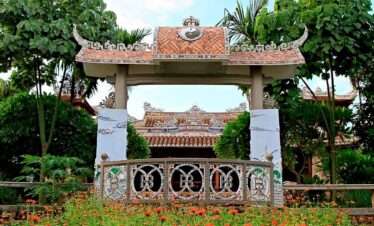
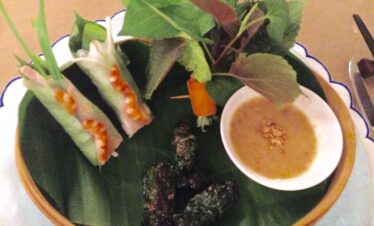
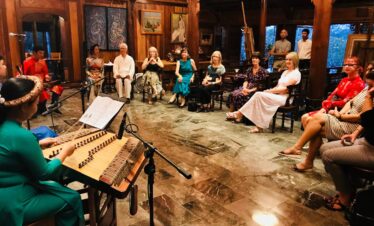
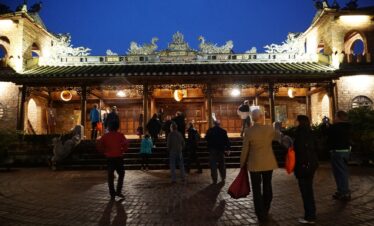
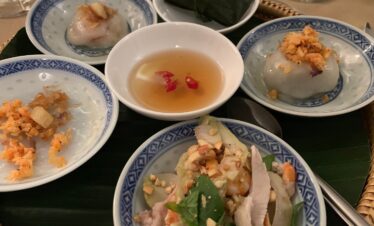
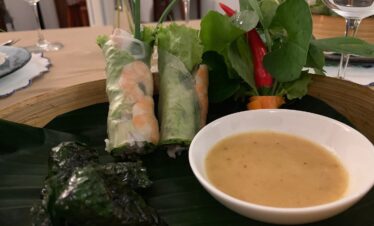
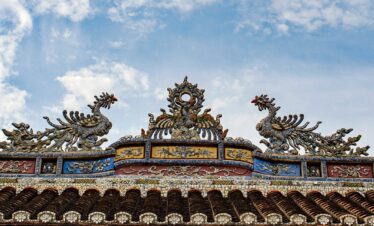
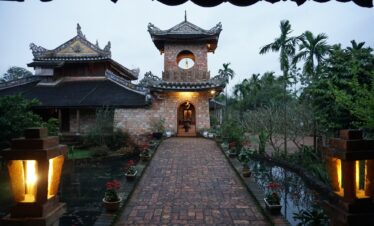
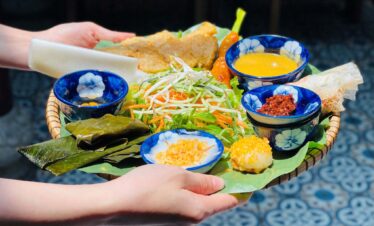
Ben Xuan Garden Lunch & Dinner Tour 3 Hours
5
(27 Reviews)
Ben Xuan is a royal-style garden house beautifully located on one of the most scenic sites along the Perfume River, designed as a cultural meeting...
Central Vietnam Tour, Hue Tour
2-20 People
Duration
3 Hours
$83
Next Departures
October 28, 2026 (Available)October 29, 2026 (Available)October 30, 2026 (Available)







Group discount Available
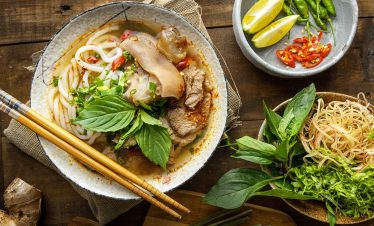
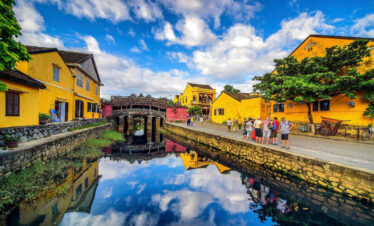
Designed for travelers who love culinary exploration and authentic Vietnamese food, this immersive journey takes you from Ho Chi Minh City to Hoi An, Hue,...
Duration
10 Days
$1,317
Next Departures
October 30, 2026 (Available)October 31, 2026 (Available)November 1, 2026 (Available)









Group discount Available
10-Day Vietnam Heritage Itinerary from Hanoi
5
(47 Reviews)
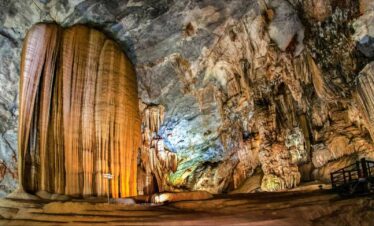
This journey takes you through Vietnam’s most iconic UNESCO World Heritage Sites, combining cultural depth with natural beauty. From the vibrant streets of Hanoi and...
Duration
10 Days
$1,011
Next Departures
October 30, 2026 (Available)October 31, 2026 (Available)November 1, 2026 (Available)


Group discount Available
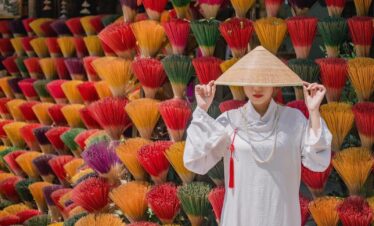
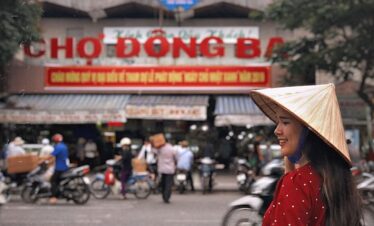
DMZ Tour From Hue 1 Day
5
(24 Reviews)
07:00 Your guide and private vehicle will pick you up from your hotel in central Hue for a scenic drive to Dong Ha Town. Along...
Central Vietnam Tour, Hue Tour, Quang Binh Tour, Quang Tri Tour, Vietnam DMZ Tour
1-10 People
Duration
1 Day
$69
Next Departures
October 28, 2026 (Available)October 29, 2026 (Available)October 30, 2026 (Available)



Group discount Available
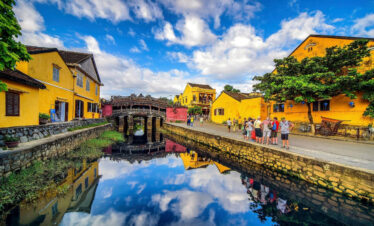
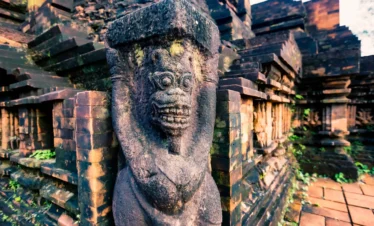
Hue City Tour Must-See Sites 1 Day
5
(52 Reviews)
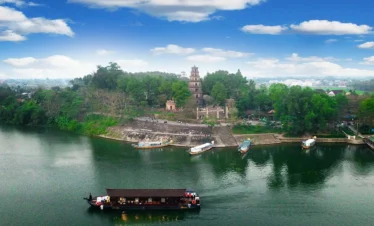
Begin your day with a scenic dragon boat cruise along the Perfume River to visit Thien Mu Pagoda, the oldest and most iconic pagoda in...
Central Vietnam Tour, Hue Tour
1-10 People
Duration
1 Day
$62
Next Departures
October 27, 2026 (Available)October 28, 2026 (Available)October 29, 2026 (Available)





Group discount Available
Central Vietnam Heritage Highlights Tour 7 Days
5
(51 Reviews)
Central Vietnam Heritage tour takes you from the natural wonders of Phong Nha to the cultural heart of Hue and the charming streets of Hoi...
Duration
7 Days
$485
Next Departures
October 29, 2026 (Available)October 30, 2026 (Available)October 31, 2026 (Available)